
WELCOME TO FELSTED
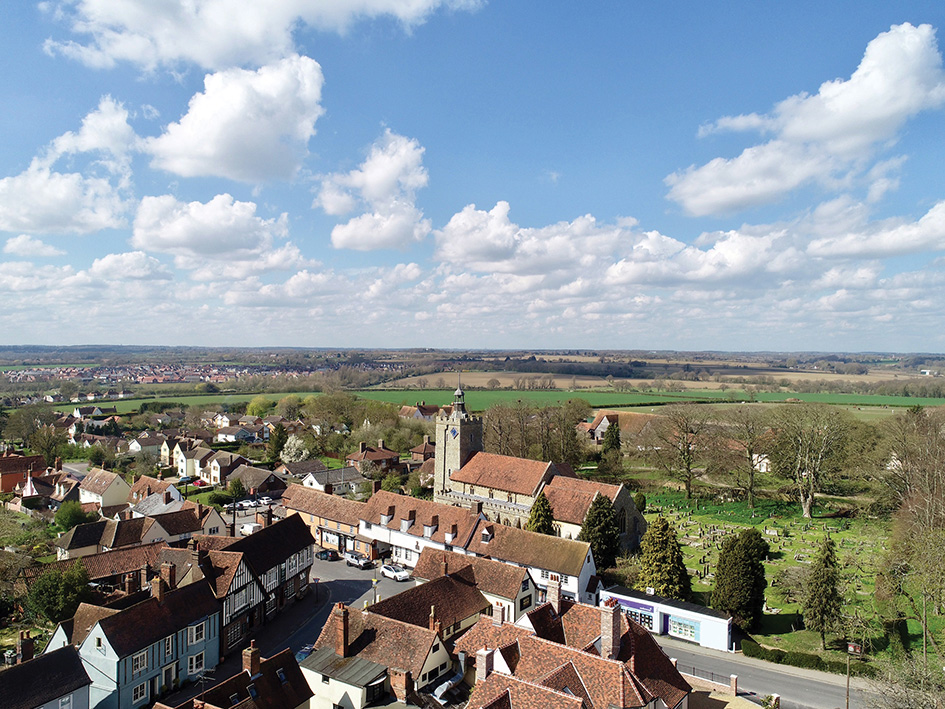
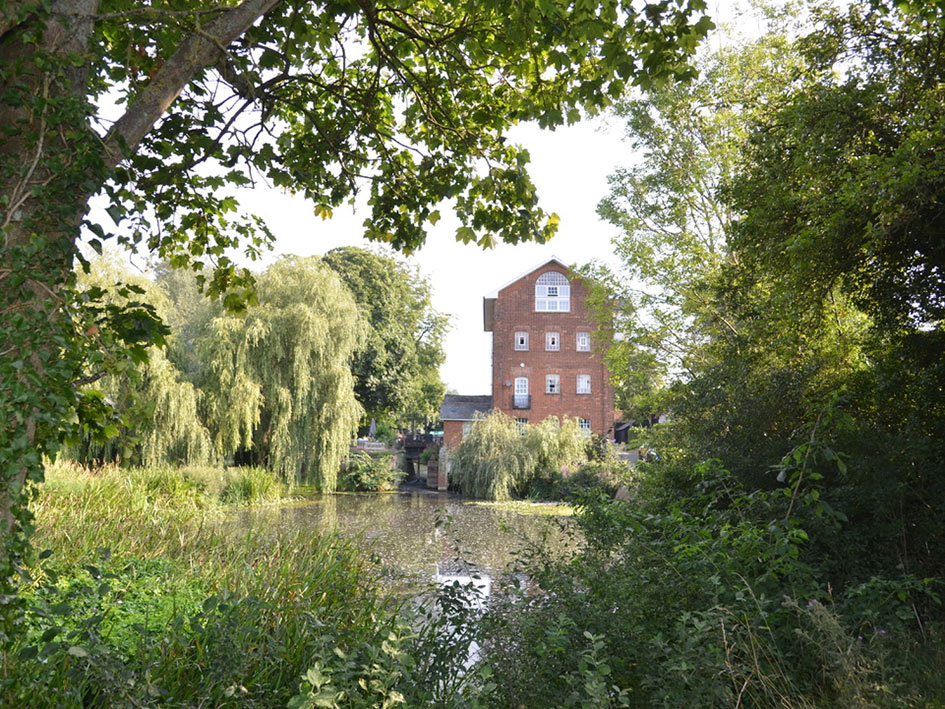
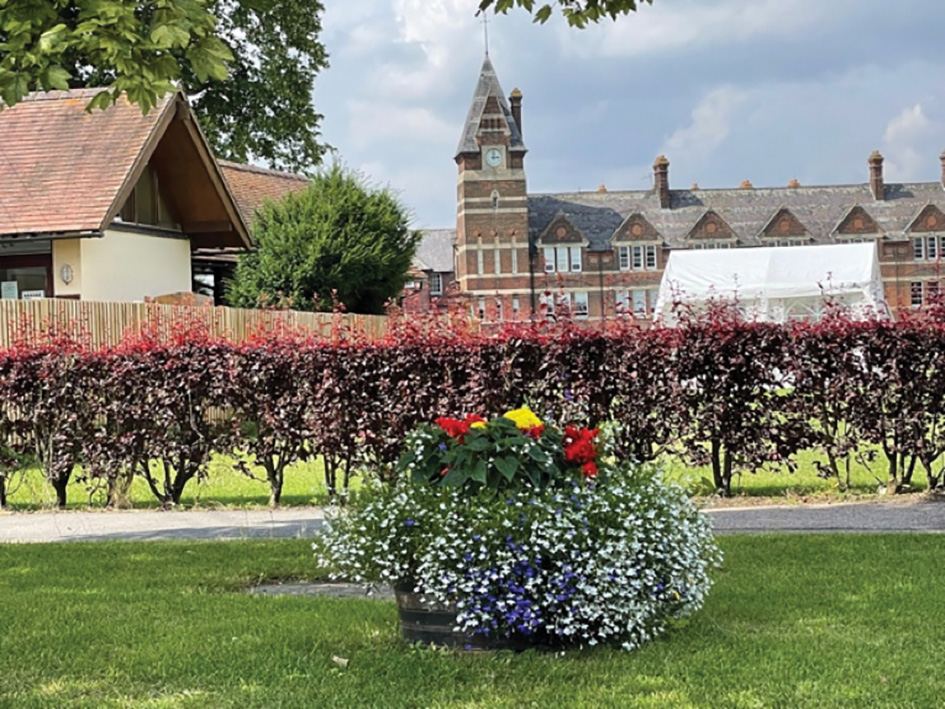
Located in north-west Essex and with a population of around 3,000, the Parish of Felsted has at its heart the historic village of Felsted, surrounded by Greens and Hamlets, in a beautiful rural setting.
Felsted retains the underlying charm and attraction of a rural parish, with the community and village at its heart. This is what attracts people to the area and what we as the Parish Council see as our historic duty to protect. Preservation of our heritage is balanced with a duty to ensure that the Parish thrives and meets the future needs of our community.
Winner of RCCE Village of the Year 2015
“One of the best places to live in the East of England” – The Sunday Times (2013)




LATEST NEWS
Changes to Felsted bus services
The Public Transport Team at County Hall have achieved their target of making a £1.5 million (18%) saving on the Public Transport budget. This has inevitably had an impact on our local bus services.
Service 133 – service will be reduced to two hourly on Sundays instead of hourly. No details yet of specific timings.
Service 314 – will be withdrawn, with final journey on 9th April. Each passenger was costing around £19, which is judged unsustainable. Unfortunately, the Demand Responsive Transport, which is being introduced in some areas to compensate, will not cover Felsted. We have asked for this to be reconsidered in future.
Service 16 – continues unchanged, having achieved a cost per passenger of just over the maximum of £5 per journey. Although the new contract to run this service is for 4 years, it is clear that the adage “use it or lose it” applies. There will also be a change of operator from Hedingham to Stephensons.
Updated timetables will be posted at bus stops by 10th April, with revised 133 timings starting on 17th April.
Whilst these changes are disappointing, please do remember that Uttlesford Community Transport is available as an alternative to the bus, albeit at a cost, but still cheaper than a taxi.
One other bus service to remember is the service between the Chelmer Valley Park and Ride and Broomfield Hospital. This is currently a one year trial, so again it needs to be used sufficiently to ensure it is retained. It runs every half hour and costs £3 per day return, free to bus pass holders after 9am.
UK Power Networks – Priority Services Register for vulnerable residents
UK Power Networks are the people who are responsible for keeping the electricity on in our area, regardless of your chosen energy supplier. They own and maintain all the electricity lines and cables.
They keep a list of ‘vulnerable residents’ on their Priority Services Register, so that if there is a power cut they can ensure that those who need it will receive extra support. This doesn’t necessarily mean that they can get the power back on more quickly but they can provide :
- A priority number that you can call 24 hours a day if you have a power cut
- Regular text message or phone updates during a power cut
- Extra support from the British Red Cross to visit your home during an emergency (they’ll check with you first).
If you are elderly or disabled, have young children or rely on specialised medical equipment then you can apply to go onto the Priority Services Register at www.ukpowernetworks.co.uk/priority.
Anglian Water launches “Pollution Watch”
Anglia Water has launched ‘Pollution Watch’, a new campaign to ensure that all incidents of sewage pollution are dealt with as quickly as possible, to minimise the impact on the environment.
They are investing £5.5m in network maintenance, but if you spot any potential sewage pollution issues you can now ring their dedicated Pollution Hotline 03457 145145 to report them and so enable them to respond sooner and look after our rivers and waterways.
Pollution can kill fish and other aquatic life and also affect the use of water and land for agricultural, business, community purposes.
Escapes from the sewage system are commonly caused by the build-up of fats, oils and greases, sanitary waste and wipes; all of which cause blockages and reduce the flow of sewage through the network.
There are many tell-tale signs that pollution has entered a river or a stream. These include:
- sewage solids
- toilet debris such as toilet paper, condoms and sanitary products
- soap suds or a milky-looking discharge in the water
- grey coloured water
- a noticeable sewage smell